A Suffering God

Bob Turner
April 2, 2026
It’s not as elegant or sublime as John 1:14, but the writer of the book of Hebrews offers his (her?) own take on the Incarnation of Jesus. He ties Jesus’s enfleshment to a theory of the atonement: “Since, therefore, the children share flesh and blood, he himself likewise shared the same things, so that through death he might destroy the one who has the power of death, that is, the devil, and free those who all their lives were held in slavery by the fear of death” (vv. 14–15).
It’s one of the earliest ways the church found to understanding the atoning nature of Jesus’s death—the idea that somehow, through his manner of dying (and his vindication by God in the resurrection) he undid the power of the devil and the powers that hold sway over human life. It is the victory of God over Satan, of life over death, of Christ over those who thought they had destroyed him. For this reason it is often called the Christus Victor theory. Because he came from God, Christ was able to become the Victor over death. Because he shared flesh and blood with us, we get to share in that victory with him.
There is something else profoundly mysterious that the writer hints at in this passage: the necessity of suffering. He writes, “Therefore [Jesus] had to become like his brothers and sisters in every respect … to make a sacrifice of atonement for the sins of the people. Because he himself was tested by what he suffered, he is able to help those who are being tested” (vv. 17–18). In order for Christ, the Incarnation of God, to become the Victor, he had to suffer.
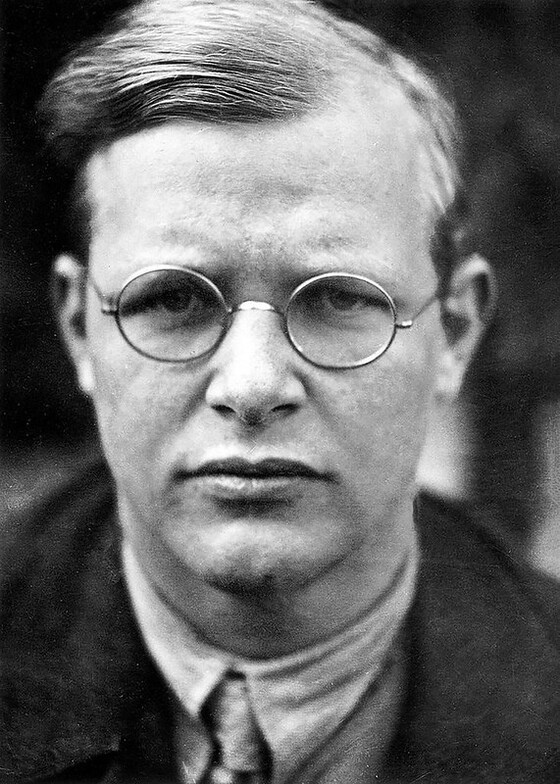
Dietrich Bonhoeffer wrote famously, “Only a suffering God can help.”* Among the dense layers of meaning he had in mind is the idea that an aloof God, an Unmoved Mover, cannot relate to the suffering of God’s human children and therefore cannot get at our deepest hurts and fears and sorrows. It is in the Incarnation that God truly enters into our lives in ways that heal and comfort. We whose existence is characterized in so many ways by suffering do not need a God who understands suffering in an abstract way but rather one who knows from the inside out the wrenching experience of suffering, grief, and fear. Only a suffering God can help.
This notion takes us beyond the cross and resurrection in the story of atonement. It makes Jesus’s earthly life just as important and vital to our atonement as his death and rising. No cold transaction between God and the devil, or between God’s punitive and compassionate sides, Jesus’s atoning work began the moment he drew his first breath as a squirming, squalling baby. From that moment on, he was “not ashamed to call [us] brothers and sisters” (v. 11), and he brought divinity into our lives of pain and joy while at the same time bringing our pain and joy into the life of God.
Let us rejoice this Holy Week that we have a Redeemer who understands what it means to be human. That we have an Older Brother sitting on the throne at God’s right hand. That we have a suffering God. And let us live lives of courage and boldness, trusting to the one who was tested by what he suffered and therefore can help us when we too are tested.

-
Community UCC
-
Schwarzwald UCC
-
Trinity UCC
Office Hours
Contact
© 2026 Community UCC. All Rights Reserved.
|
Login
powered by
Website Developed by Tithely